


What’s the first step if you want to bring a loved one to live with you in the United States? For many families, the answer is family-based immigration. It’s one of the most common paths to a green card, but it comes with its own set of rules, categories, and waiting times.
In this guide, we’ll explain how the process works, who qualifies, and what to expect along the way. From immediate relatives to preference categories like F1, F2A, F2B, F3, and F4, you’ll get a clear picture of how family-based immigration really works.
What Is Family-Based Immigration?
Family-based immigration is a process that allows U.S. citizens and lawful permanent residents (LPRs or green card holders) to sponsor certain family members to immigrate to the U.S.
The main idea is simple—family reunification. But the process involves strict eligibility rules, paperwork, and government processing times.
So, what is family-based immigration in practice? It’s a pathway to a green card where a sponsoring relative files a petition. This step is often referred to as an immigrant petition, and many applicants wonder what it means—it’s essentially the official request filed with USCIS to establish a qualifying family relationship. Once approved, the family member can apply for permanent residence.
Two Types Of Family-Based Immigrant Visas
There are two main categories of family-based visas.
- Immediate Relative (IR) Visas
- For the closest family members of U.S. citizens.
- Includes spouses, unmarried children under 21, and parents (if the citizen is 21 or older).
- No yearly cap, meaning visas are always available.
- Family Preference (F) Visas
- For more distant family members of U.S. citizens and certain relatives of green card holders.
- These visas are limited each year, which creates backlogs.
This second group is divided into categories:
- F1 Visa: Unmarried sons and daughters (21+) of U.S. citizens.
- F2A Visa: Spouses and unmarried children under 21 of green card holders.
- F2B Visa: Unmarried sons and daughters (21+) of green card holders.
- F3 Visa: Married sons and daughters of U.S. citizens.
- F4 Visa: Brothers and sisters of U.S. citizens (if the citizen is at least 21).
If you’ve heard of CR1 vs. IR1 visas, both are for spouses of U.S. citizens. The CR1 is for couples married less than two years (conditional), while the IR1 is for marriages over two years (immediate and permanent). Which is better, CR1 or IR1? Most prefer the IR1 since it provides a permanent green card right away.
Thinking about petitioning a family member? Get personalized guidance for your case with a free evaluation
Who Qualifies For Family-Based Immigration?
Eligibility depends on whether the sponsor is a U.S. citizen or a green card holder.
- U.S. Citizens can petition for spouses, children (any age, married or unmarried), parents, and siblings.
- Green Card Holders can petition only for spouses and unmarried children.
Example: If you’re a U.S. citizen, you can file for your 25-year-old married daughter under the F3 category. But if you’re only a green card holder, you can’t petition for her until you become a citizen.
Some applicants explore employment-based options as well, comparing EB2 vs EB3 visas if their family situation doesn’t qualify. Employment-based petitions follow different rules but may provide alternative paths to residency.
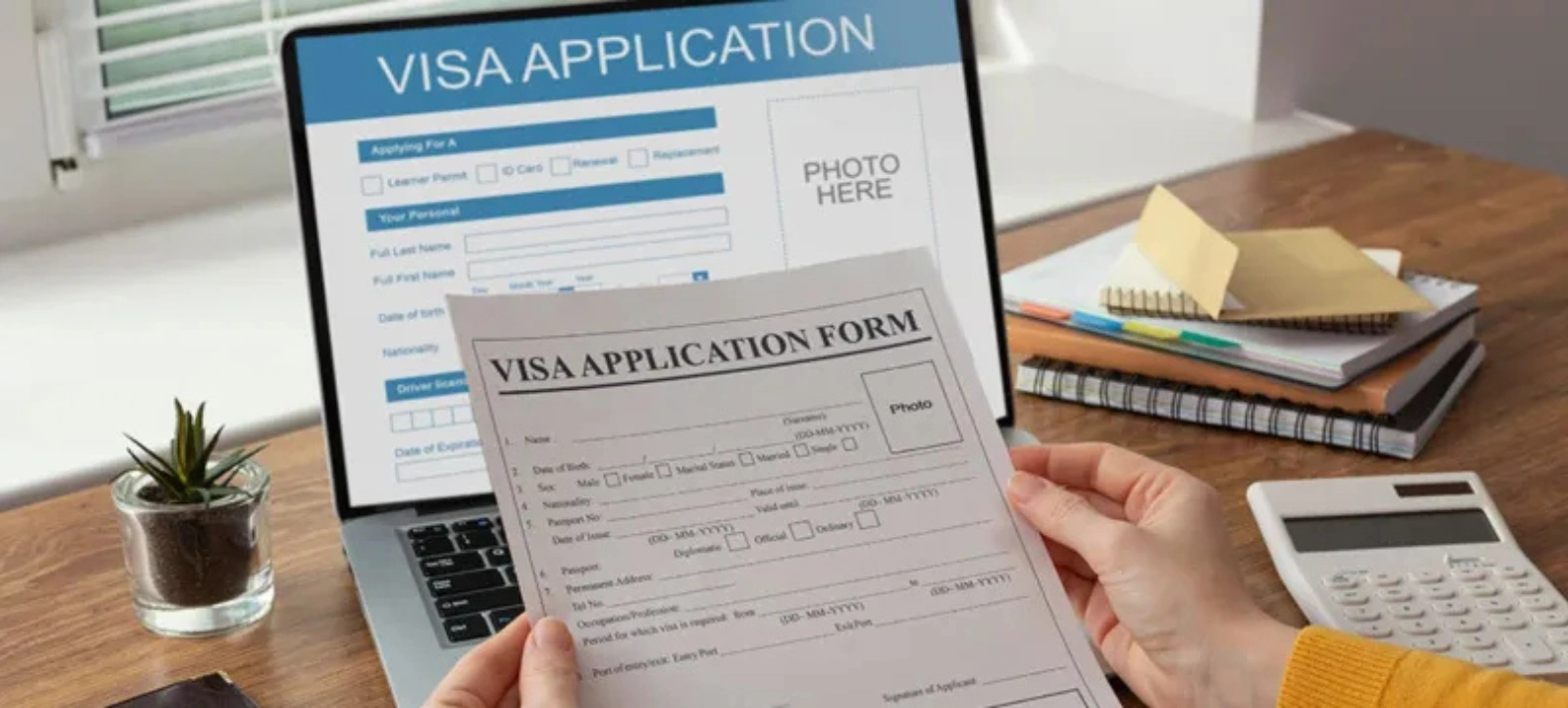
What Is The Family-Based Immigration Process Step By Step?
The process usually follows these steps:
Step 1: File Form I-130 (Petition For Alien Relative)
This form establishes the family relationship. You’ll need proof, such as a marriage certificate or birth certificate.
Step 2: Wait For USCIS To Approve The Petition
Approval can take months, depending on USCIS workload. If USCIS needs more information, you might receive a Request for Evidence (RFE), which asks for missing documents or clarification.
Step 3: Check Visa Availability
Immediate relatives don’t wait, but preference categories rely on the Visa Bulletin to know when a visa is available. This is where the term visa retrogression comes into play. Retrogression happens when demand exceeds supply, pushing back previously current priority dates.
Step 4: Apply For The Green Card
- If the family member is in the U.S., they can file Form I-485 (Adjustment of Status).
- If abroad, they’ll go through consular processing.
Step 5: Attend The Interview
Both the sponsor and the applicant may be interviewed to confirm eligibility. Applicants often ask, “What does the priority date mean for immigration?” Simply put, it’s your place in line for a visa number based on your filing date.
Step 6: Receive The Green Card
If approved, the family member becomes a lawful permanent resident. The physical card itself lists the visa number on a green card, which is used to track the immigrant’s case in the USCIS system.
What Documents Are Required For Family-Based Immigration?
The required documents depend on the relationship and situation, but typically include:
- Proof of family relationship (marriage, birth, or adoption records).
- Proof of the sponsor’s status (U.S. passport, naturalization certificate, or green card).
- Financial evidence, including Form I-864, Affidavit of Support.
- Medical exam results from a USCIS-approved doctor.
- Government-issued IDs and photographs.
Need the right USCIS form for your immigration case? Click here to access them all in one place.
How Long Does Family-Based Immigration Take?
The timeline varies greatly. Immediate relatives may get approved in about a year. But family preference visas can take several years or even decades, depending on the category and country.
For example, as of 2024, the wait for siblings of U.S. citizens (F4) can exceed 15 years for applicants from countries with high demand, such as Mexico and the Philippines.
According to USCIS, it received more than 1.4 million family-based immigration petitions in 2022, which explains the backlog.

What Are The Costs And Fees For Family-Based Immigration?
Here are the most common costs:
- Form I-130 filing fee: $535
- Form I-485 fee (if applying in the U.S.): $1,140 + $85 biometrics
- Consular processing fees: around $325 visa application + $120 affidavit of support fee
- Medical exam: varies ($200–$500)
- Translation, mailing, and other expenses
These numbers may change, so always check USCIS for the latest fee updates.
What Are The Common Challenges And Mistakes To Avoid?
Some of the most common mistakes include:
- Submitting incomplete forms or missing supporting documents.
- Misunderstanding priority dates and visa categories.
- Failing to meet financial sponsorship requirements.
- Not preparing well for the interview.
Example: A sponsor might submit proof of marriage but forget joint financial documents, which can cause delays or denials in spousal cases.
For some, legal guidance is essential. While hiring a traditional attorney can be costly, many families now turn to a virtual immigration lawyer who can review petitions and answer questions online. This has made professional immigration help more accessible, especially in complex cases.
Want clarity before applying? Grab our Visa Guide. Know your options before you start.
FAQs About Family-Based Immigration
2. Can A Green Card Holder Petition For Their Parents?
No. Only U.S. citizens over 21 can petition for their parents. Green card holders must naturalize before filing for parents.
3. Can A Sibling Apply Under Family-Based Immigration?
Yes, but only if the sponsor is a U.S. citizen at least 21 years old. The sibling falls under the F4 category, which often has long wait times.
Conclusion
Family-based immigration remains one of the most important ways families reunite in the U.S. But the process is layered with categories, timelines, and paperwork that vary depending on the sponsor’s status and relationship.
If you’re considering sponsoring a family member, make sure you understand which visa category applies and how long the wait could be.
According to Stanford University, highly skilled immigrants contribute disproportionately to U.S. innovation, meaning that immigration policy affects not only families but also America’s global competitiveness.
Ready to take the next step? Contact us so we can help you evaluate your case and even explore options like EB-2 NIW if you qualify.


