Can a Kenyan solar materials scientist get a U.S. green card without employer sponsorship? Yes, and the case tends to build itself more naturally here than in a lot of other fields, given how directly solar materials research ties to U.S. clean energy priorities. The EB2 National Interest Waiver lets you self-petition based on your own research and technical contributions, no job offer, no labor certification, no visa lottery.
Many renewable energy professionals run into a familiar problem: an invitation to collaborate on a U.S. research project falls through because the available visa options don’t fit the timeline or don’t lead to anything permanent. EB2-NIW solves that specific problem by letting your qualifications, not an employer’s willingness to sponsor you, drive the process.
What Is EB2-NIW For Solar Material Scientists?
EB2-NIW lets professionals apply for a green card without a job offer or labor certification, provided their work benefits the U.S. and aligns with recognized national priorities. Specifically, for solar material scientists, that usually means research in photovoltaic materials, energy storage, or sustainable energy systems.
USCIS is assessing whether your work has significance beyond a single employer or project, not whether you hold a particular job title. Our EB-2 NIW for environmental scientists and renewable energy experts article covers the broader clean energy framework this fits into.
Who Qualifies, And What Makes A Strong Case?
Most qualifying candidates work in materials science, chemistry, physics, or renewable energy engineering. They have a master’s degree or equivalent experience as the baseline. Beyond that credential, what actually separates a strong petition from a weak one comes down to a few things:
- Measurable technical impact. A researcher improving solar cell efficiency or developing lower-cost photovoltaic materials has a real case if that work produced a measurable result, not just a research direction. Vague claims of expertise don’t hold up; specific improvements do.
- Published and peer-reviewed research. Journal publications and conference papers establish credibility and show your work has been vetted by the field, not just self-reported.
- Patents or applied innovations. Evidence that your research led to a practical application, a new material, an improved manufacturing process, or a deployed technology shows real-world value beyond theory.
- Expert recommendation letters. These carry more weight when they come from people who can explain your specific technical contribution, not just confirm your job title.
- Hands-on project experience. Direct involvement in solar energy systems, photovoltaic development, or materials testing reinforces that your expertise translates into applied results, not just academic study.
Want a second opinion on your specific research profile? Request a free evaluation here.
What Does A Strong EB2-NIW Case Look Like For A Solar Materials Scientist?
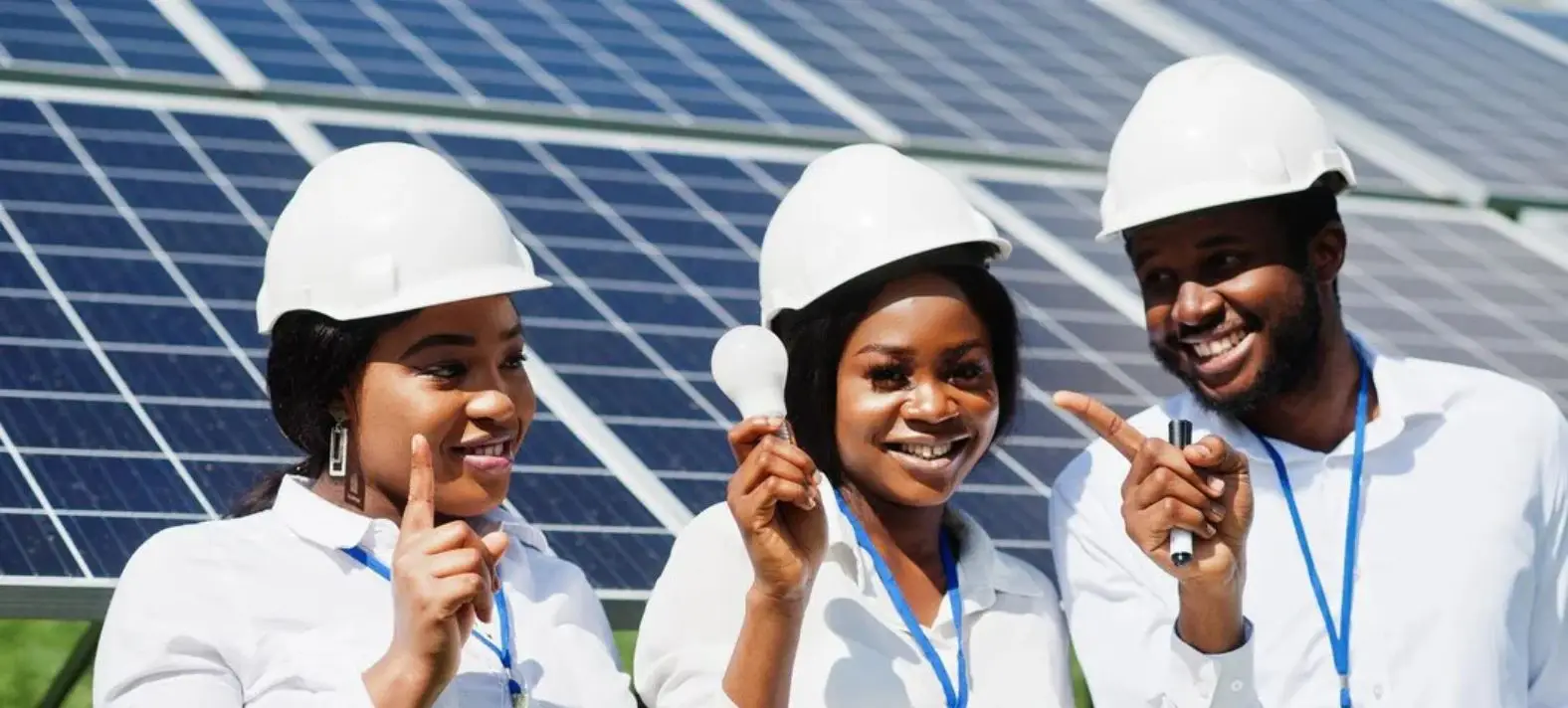
David spent years researching thin-film photovoltaic materials designed to improve solar cell efficiency at lower manufacturing cost, work initially developed for solar deployment across rural Kenya, where affordability and durability matter as much as raw efficiency.
That constraint-driven research turned out to have direct relevance to U.S. solar manufacturing, where cost reduction remains one of the biggest barriers to wider adoption. David’s petition made the connection explicit: he presented his peer-reviewed publications, a patent on his thin-film deposition process, and correspondence showing a U.S. national laboratory had requested access to his research data for an ongoing domestic photovoltaic cost-reduction initiative.
That direct institutional interest, not just the quality of the research on its own, turned his case. This shift moved him from ‘promising scientist’ to ‘someone whose specific work the U.S. already wants’.
Why Is This Considered A Strong Path For Solar Scientists Specifically?
The U.S. is expanding solar energy production to reduce fossil fuel dependence, which creates sustained demand for professionals who can improve panel efficiency, materials cost, and manufacturing performance. That demand lines up with a broader global shift toward renewable energy, and solar materials science sits close to the center of it, since panel performance depends directly on the materials being used.
Kenya’s own renewable energy track record adds credibility here too. The Lake Turkana Wind Farm is Africa’s largest wind power project. Olkaria geothermal complex is among the continent’s largest geothermal developments. Both signal that Kenyan engineers and scientists operate in a country with serious, large-scale renewable energy infrastructure experience.
How Does The Application Process Work?
At a high level, evaluate your eligibility and profile strength. Gather supporting documentation. Prepare a petition letter connecting your research to U.S. clean energy priorities and file Form I-140 as a self-petition. USCIS then reviews the case under the Dhanasar framework and can approve it, request additional evidence, or deny it. Our EB-2 visa to green card guide covers this process, including current forms and fees, in full detail.
What Does It Cost, And How Long Does It Take?
Standard I-140 processing typically takes 6 to 15 months. Premium processing provides about a 45-business-day decision for an extra fee. Adjustment of status or consular processing generally adds another 8 to 18 months.
These figures shift periodically, so confirm current numbers with the USCIS Fee Calculator before budgeting your application.
What Common Challenges Do Applicants In This Field Face?
Most denials stem from presentation rather than qualifications. They cite a limited publication history in recognized journals. Generic recommendation letters fail to explain specific contributions, and petitions describe research without clearly tying it to U.S. national interest. Documented real-world impact supports a strong legal argument. It tends to separate approved cases from denied ones more than raw credentials do.
Is EB2-NIW The Best Option Compared To Other Visas?
EB2-NIW stands out for solar scientists in many cases. It doesn’t require employer sponsorship or a U.S. job offer. That matters when your own research is the focus rather than a specific position. If you’re weighing this against O-1A or other categories, our EB-2 NIW vs. O-1A comparison for other Kenyan professionals covers that tradeoff in more general terms; the same logic (speed vs. independence) applies here too.
What Happens After Approval?
After approval, you move toward a green card that lets you live and work permanently in the U.S. Additionally, this status comes without employer restrictions and supports research roles, industry positions, or academic opportunities. You avoid restarting the immigration process if you change institutions.
How Does Robinson Immigration Law Help With EB2-NIW Applications?
EB2-NIW cases require careful preparation and strategic presentation; many strong candidates are denied simply because their petition isn’t structured effectively, not because their research isn’t good enough. Our free evaluation includes a careful review of your credentials and supporting documents. You then receive personalized feedback. If useful, we can discuss your profile and how to strengthen your application before you file.
Request a free evaluation to check your EB2-NIW eligibility.
FAQs About EB2-NIW For Solar Material Scientists In Kenya
2. Can My Family Join Me If I'm Approved?
Yes. Your spouse and children can apply as dependents once your petition and green card processing are approved, allowing them to live, study, and work in the U.S. as well.
3. Is Work Experience In Solar Energy Enough On Its Own?
Only if you can show significant, documented impact and national relevance. General job experience alone doesn't meet the bar, USCIS wants evidence that your specific contributions have real-world impact aligned with U.S. national interest.
Conclusion
EB2-NIW offers a genuinely strong pathway for professionals contributing to renewable energy innovation, with real independence from employer sponsorship and a direct route to a green card. Success comes down to how well your research and impact are documented and presented, not just how promising the work is.
If you’re working in solar materials science, photovoltaic research, or renewable energy development, contact us so we can evaluate your background and help determine if you qualify for EB2-NIW.