Are you a Kenyan doctor wondering whether you can qualify for a U.S. green card through EB-2 NIW for Physicians in Kenya without employer sponsorship or a job offer?
Many physicians find U.S. immigration challenging due to strict requirements, lengthy processing times, and employer-based visa requirements.
The EB-2 NIW pathway gives qualified doctors more control over immigration and enables them to address U.S. healthcare shortages in underserved areas through the Physician National Interest Waiver (PNIW).
Before discussing the EB-2 NIW for Physicians in Kenya in detail, it’s important to understand what this pathway offers and how it benefits Kenyan doctors seeking permanent residency.
What Is The EB-2 NIW For Physicians In Kenya?
The EB-2 NIW for Physicians in Kenya allows Kenyan doctors to live and work in the U.S. without employer sponsorship. It is part of the EB-2 NIW category for professionals with advanced degrees or exceptional ability.
The National Interest Waiver removes the need for labor certification if a physician’s work benefits the U.S. nationally, especially in underserved areas.
This pathway is highly relevant given the ongoing U.S. physician shortage, projected to reach up to 86,000 doctors by 2036, according to the AAMC, creating strong demand for qualified international medical graduates.
Interested in applying as an accountant? Our comprehensive guide to the EB-2 NIW explains the eligibility requirements, evidence standards, and application process to help you build a stronger petition.
Who Qualifies For EB-2 NIW For Physicians In Kenya?
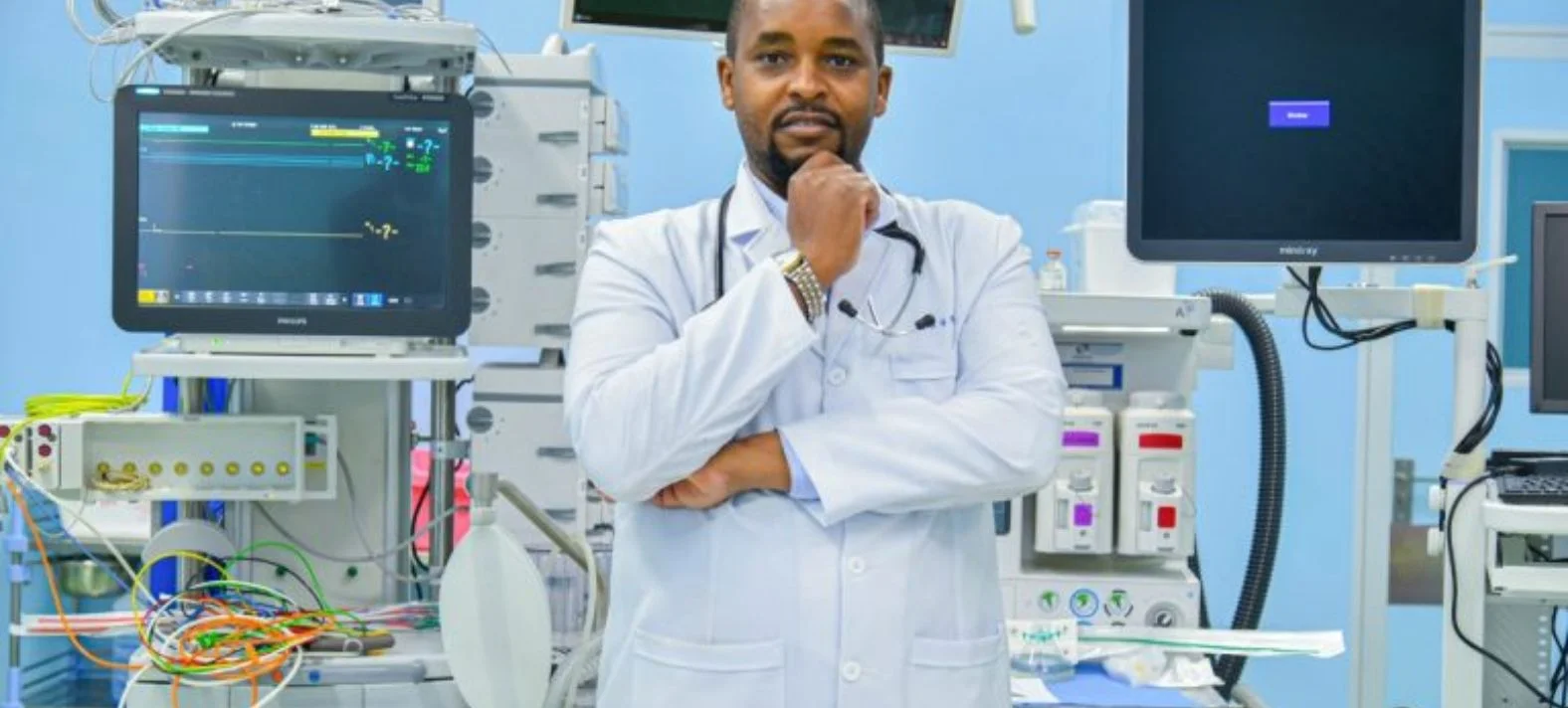
Eligibility for EB-2 NIW for Physicians in Kenya depends on your education, experience, and ability to demonstrate national impact in the U.S. healthcare system.
Advanced Medical Education Requirement
To qualify, you must hold a recognized medical degree such as MBChB, MD, or an equivalent qualification. This degree must be evaluated to ensure it meets U.S. standards for an advanced professional degree.
This requirement ensures that applicants have the foundational knowledge needed to contribute meaningfully to the U.S. healthcare system. Without this, it becomes difficult to meet EB-2 classification standards.
Relevant Clinical Or Research Experience
Your professional experience plays a major role in strengthening your case. Physicians who have worked in hospitals, rural clinics, or public health programs tend to have stronger petitions.
This experience demonstrates your ability to handle real-world medical challenges. It also shows USCIS that your work has practical value and aligns with the goals of the physician NIW requirements.
Commitment To U.S. Healthcare Needs
Applicants must show intent to contribute to areas of national interest, such as underserved or high-demand medical regions. This is a key part of the physician national interest waiver framework.
USCIS looks for doctors who can help fill gaps in the healthcare system. Physicians willing to serve in Health Professional Shortage Areas often have a greater chance of approval.
You must demonstrate intent to serve underserved or high-demand medical areas. This is especially important because over 65 million Americans live in Health Professional Shortage Areas (HPSAs), according to the U.S. Health Resources & Services Administration (HRSA).
What Are The Key Requirements For EB-2 NIW For Physicians In Kenya?
The physician NIW requirements emphasize three main areas: appropriate medical education, relevant clinical or research experience, and a proven contribution to the U.S. national interest in healthcare.
1. Advanced Degree Or Equivalent Qualification
A qualifying degree is the foundation of your EB-2 NIW petition. USCIS requires proof that your education meets or exceeds U.S. standards for an advanced degree.
This ensures only qualified professionals are considered and confirms your credibility as a physician.
2. Evidence Of Professional Impact
You must demonstrate that your work has had a meaningful impact in your field. This could include clinical results, leadership roles, or contributions to healthcare programs.
Strong supporting documents are essential, and this includes understanding what documents are required for I-140 to properly structure your petition.
3. National Interest Contribution
You must show that your work significantly advances U.S. healthcare on a national scale, for example, through serving shortage areas or contributing to public health solutions.
For physicians, this often means serving underserved populations or addressing healthcare shortages. This is what makes the physician national interest waiver so powerful.
4. Work In Designated Shortage Areas
Many successful applicants work in Health Professional Shortage Areas (HPSAs) or Medically Underserved Areas (MUAs). These designations are recognized by U.S. healthcare authorities.
Working in these areas strengthens your case by directly supporting national healthcare priorities. It also demonstrates long-term value to the U.S. system.
According to the US Bureau of Labor Statistics, physicians are consistently listed among occupations with critical national demand in the U.S. healthcare system, reinforcing the importance of foreign-trained doctors in shortage areas.

Why Is EB-2 NIW For Physicians In Kenya A Strong Immigration Pathway?
This pathway is attractive as it eliminates the employer sponsorship requirement, a major barrier.
Kenyan physicians prefer the EB-2 NIW for career independence and the freedom from being tied to a single employer.
It is also widely used beyond physicians, as the broader EB-2 NIW for healthcare workers includes nurses, therapists, public health professionals, and other medical specialists who contribute to U.S. healthcare shortages.
How Can Physicians in Kenya Apply Successfully for EB-2 NIW?
The EB-2 NIW process requires careful preparation and strong documentation.
Step 1. Preparing A Strong Petition Package
A complete petition includes academic records, professional history, and supporting documents. Each piece of evidence must clearly show your qualifications and impact.
A well-prepared package significantly increases your chances of approval. It also reduces the risk of USCIS requests for additional evidence.
Step 2. Filing Form I-140 With USCIS
Form I-140 is the official immigrant petition. After filing, applicants typically receive an I-140 receipt notice, which confirms USCIS has accepted the case for processing.
This form must be accurate and supported by strong documentation. Errors or weak evidence can delay or negatively affect your case.
Step 3. Building Strong Recommendation Letters
Recommendation letters from senior physicians, hospital directors, or researchers are critical. They validate your experience and professional contributions.
These letters help USCIS understand your reputation in the medical field. Strong endorsements can significantly influence the outcome of your case.
Step 4. Proving the National Importance Of Your Work
You must clearly show how your work benefits the U.S. healthcare system. This could involve public health contributions, research, or service in areas of shortage.
The stronger your evidence, the easier it is to meet NIW standards. USCIS places heavy emphasis on national-level impact.
Step 5. Understanding Post-Approval Steps
Once approved, you proceed with either adjustment of status or consular processing. Adjustment of status is for those already in the U.S. on another valid visa. You submit additional forms, attend an interview with USCIS, and receive your green card if approved.
Consular processing applies if you are outside the U.S.; you complete your visa application at a U.S. embassy or consulate in your home country, attend an interview, and then receive an immigrant visa to enter the U.S. Both options, once completed, lead to permanent residency (green card).
This stage is crucial because it finalizes your immigration pathway. Proper planning ensures a smooth transition.
What Evidence Strengthens An EB-2 NIW For Physicians In Kenya Petition?
Strong evidence is one of the most important parts of your case.
You should include:
- Medical certifications and licenses
- Research publications or clinical studies
- Letters of recommendation
- Proof of service in underserved areas
- Awards or recognition in medicine
Each piece of evidence builds credibility. Together, they form a strong narrative that supports your physician national interest waiver petition.

What Challenges Do Kenyan Physicians Face In EB-2 NIW Applications?
Many applicants face challenges related to documentation and the interpretation of eligibility.
A common issue is meeting U.S. licensing requirements, such as USMLE and ECFMG certification. While these credentials are not strictly required at the time you file your EB-2 NIW petition, they are generally necessary if you wish to practice medicine clinically in the United States after approval.
One major challenge is understanding how USCIS evaluates petitions and timelines. This is where EB-2 NIW processing time becomes important, as delays can vary depending on case complexity and workload.
For most applicants, it is possible to apply for EB-2 NIW before completing the licensing exams and obtaining ECFMG certification, but beginning to prepare for these steps early can help with a smoother transition to U.S. medical practice. Including proof that you are working toward or have obtained these credentials can also strengthen your overall case.
Another challenge is clearly proving national importance. Without strong evidence, USCIS may question the impact of your work.
Weak documentation is another frequent issue. Many denials occur because applicants fail to structure their evidence properly.
How Long Does The EB-2 NIW For Physicians In Kenya Process Take?
EB-2 NIW processing times can vary depending on USCIS workload, case complexity, and visa availability. In general, the process takes 12 to 24 months from start to finish. This timeframe can vary, so it is best to check the most accurate, up-to-date information directly from USCIS.
For the latest processing times based on your specific petition type and service center, visit the official USCIS Processing Times page.
How Much Does The EB-2 NIW Cost For Physicians in Kenya?
The total cost of an EB-2 NIW petition can vary depending on USCIS filing fees, medical credential evaluations, and other case-related expenses.
Because USCIS fees are updated periodically, it’s important to refer to the official source for the most accurate breakdown. You can check the latest and most accurate fee estimates using the USCIS Fee Calculator.

What Are The Benefits Of EB-2 NIW For Physicians In Kenya?
This pathway offers several long-term advantages.
No Employer Sponsorship Required
You are not dependent on a hospital or employer to maintain your immigration status. This gives you more control over your career path.
It also reduces risk if job situations change unexpectedly.
Direct Path To Green Card
EB-2 NIW leads to permanent residency if approved. This provides long-term stability in the United States.
It allows you to build a future without the uncertainty of a temporary visa.
Expanded Career Opportunities
You can work in hospitals, research institutions, or underserved clinics. This flexibility enhances professional growth.
It also allows you to explore different areas of medicine.
Long-Term Immigration Stability
Once approved, you gain a predictable pathway toward permanent residency. This reduces stress and uncertainty.
It allows you to focus on your medical career.
How Can Robinson Immigration Law Help With EB-2 NIW For Physicians In Kenya?
Navigating EB-2 NIW for Physicians in Kenya requires careful strategy and strong documentation. Many cases fail not because of qualifications, but because of weak presentation.
We help physicians evaluate eligibility, structure strong petitions, and build compelling evidence that meets USCIS standards. Our goal is to present your medical career in a way that clearly demonstrates national importance.
If you want a professional evaluation of your EB-2 NIW eligibility, request your free evaluation now.
FAQs About EB-2 NIW For Physicians In Kenya
2. Is USMLE Required For EB2-NIW?
Not strictly required for the petition, but useful for clinical practice in the U.S.
3. Can Family Members Join Under This Visa?
Yes, spouses and children can accompany the principal applicant. Spouses are typically eligible to apply for work authorization in the U.S., allowing them to work freely while in the country. Children can enroll in school or university, and both spouses and children can live, study, and travel in the U.S. as long as the principal applicant maintains a valid status. However, children must be under 21 and unmarried to qualify as dependents.
4. Is Approval Guaranteed?
No. Approval depends on the strength of the evidence and how well you meet the physician NIW requirements.
Conclusion
EB-2 NIW for Physicians in Kenya offers a strong and flexible pathway for doctors seeking U.S. permanent residency. It rewards physicians who can demonstrate meaningful impact on the U.S. healthcare system, especially in underserved areas.
If you are a Kenyan physician considering this pathway, the next step is to understand your eligibility and build a strong case.
Contact us so we can evaluate your profession, assess your chances, and guide you toward qualifying for EB-2 NIW with confidence.